

Expand globally. Communicate locally. Grow faster with expert translation and localization technology integration, and multilingual solutions tailored to your audience.




















Many organizations struggle with:
At Unified Infotech, we transform these challenges into opportunities. Our customer-focused approach combines expert linguists with AI-powered tools and localization engineering to deliver accurate, culturally relevant translations, faster and at scale.
From startups to enterprises, we provide support across the content lifecycle including AI-assisted translation, website and app localization, interpretation, and transcreation, ensuring clarity, consistency, and global readiness.

As a well-known localization integration partner, we help adapt user interfaces, in-app content, and functional elements to local languages and cultures. From mobile apps to SaaS and enterprise portals, every element feels intuitive, driving stronger engagement and conversions.
We connect your ecosystem with TMS platforms like Phrase, Lokalise, or Smartling to automate workflows, centralize assets, and boost turnaround, consistency, and team collaboration.
Our AI-powered translation integration process combines neural MT with expert post-editing for accuracy and cultural fit. Perfect for large-scale content, it delivers multilingual assets faster and more cost-effectively without sacrificing quality.
We build and fine-tune AI models for industry needs like tone detection, sentiment analysis, or niche translations—automating repetitive tasks and improving precision at scale.
We use cutting-edge AI tools for website localization to power PMS that centralize tasks, files, QA, and reviews in one dashboard. With this expertise, we help increase transparency, accelerate delivery, and strengthen collaboration across stakeholders and cross-functional teams.
Our mobile translation integrations allow project managers to track projects, review content, and communicate in real time. With smart notifications and intuitive UX, managing workflows on the go becomes seamless.
We use AI-powered translation tools alongside LLM-powered translation tools to auto-tag, classify, and segment content by tone, domain, or complexity. This reduces manual prep, improves workflow routing, and speeds up localization quality outcomes.
We implement CMS and headless CMS (WordPress, Drupal, Contentful, Strapi) to scale multilingual content. Features like SEO, dynamic models, and TMS integration ensure flexibility and global readiness.
We adapt content to preserve emotion, intent, and context. From campaigns and taglines to brand storytelling, our culturally aware linguists ensure messaging feels native across markets.
Our frameworks connect with repos, CMS, and TMS to auto-pull new strings and push translations live. Built for agile teams, it eliminates bottlenecks and supports frequent global releases.
We optimize multilingual metadata, tags, URLs, and sitemaps for local search engines. By blending translation expertise with SEO best practices, we drive visibility and organic growth globally.
We translate legal, technical, HR, and financial documents with accuracy and compliance, ensuring correct formatting and adherence to global standards.
We create centralized glossaries and termbases to unify brand vocabulary, jargon, and tone. This ensures consistency across linguists, platforms, and multilingual projects.
We provide dubbing, voice-over, subtitling, and UI audio translation. By combining accuracy with creative sync, we deliver multimedia that resonates globally.
Delivered fully localized websites with consistent UX, tone, and SEO across global markets.

Centralized task coordination, linguist assignment, and real-time tracking across translation workflows.
Generated instant and accurate translation quotes based on word count, language pair, and content type.
Accelerated large-scale localization with integrated, AI-powered translation engines tailored to your domain.

Localized and adapted content for crypto wallets, tokens, and blockchain payment interfaces.

Ensured translated financial content aligns with real-time, compliant transaction workflows.
Customized multilingual platforms to meet legal, cultural, and regulatory standards across countries.
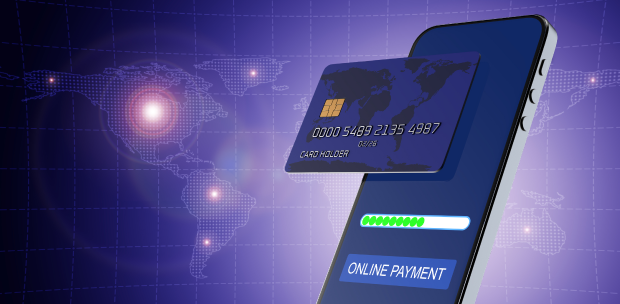
Adapted mobile interfaces, menus, and prompts for seamless, native banking across languages.
At Unified Infotech, we break linguistic, cultural, and technological barriers. Our consulting-led approach makes us a trusted partner for translation and localization integration. By using data-driven tools and advanced translation technologies, we improve accuracy, turnaround, and consistency across projects.
Our workflows combine human expertise, AI-powered tools, and proprietary linguistic assets. This precision drives customized solutions that help you engage global audiences, ensure cultural relevance, and succeed in a connected, multilingual marketplace.

We redefine linguistic excellence with a tech-enabled, quality-focused translation process, combining automation, linguistic expertise, and scalable workflows for a seamless multilingual experience.

Our consulting capabilities are powered by a team of translation and localization experts who dive deep into your industry, content, and markets, crafting tailored translation strategies that align with your goals.

Precision is everything in translation. We offer high-quality language solutions across varying levels of content complexity, ensuring linguistic accuracy, contextual relevance, and brand consistency.

From linguistic QA to regulatory checks, we’re committed to ensuring every translation meets the highest standards. Our secure, audit-ready workflows deliver translation outputs that are accurate, compliant, and culturally attuned.
Developed scalable middleware to enhance efficiency, ensure data security, and optimize UI/UX with advanced analytics.
Improvement in customer satisfaction survey
Reduction in project delivery timelines

Developed AI-driven transcription with real-time diary-ization, boosting accuracy, efficiency, and uptime.
Growth in new customer acquisition
Increase in backoffice efficiency

Improvement in customer satisfaction survey
Reduction in project delivery timelines
Growth in new customer acquisition
Increase in backoffice efficiency
Years in Business
Global Clients
Tech Experts


AI is reshaping translation operations. With domain expertise, we build secure AI tools that boost speed, accuracy, and contextual understanding through automation.


Machine learning powers data-driven translation. We apply advanced algorithms to optimize workflows, improve accuracy, and personalize multilingual content for smarter localization.


IoT and translation tech together drive new value. We create solutions to track KPIs, manage assets in real time, and uncover opportunities through connected systems.


Cloud enables scalable, accessible translation. As a cloud-first partner, we integrate cloud into workflows for seamless scaling, collaboration, and reduced costs.









We bring together strategy, design, and technology to transform ideas into impact. Explore our unified services.


The service provider and the client agree on a pre-determined scope and cost, legitimizing the agreement by a signed contract. Changes in the project scope are integrated as they occur, along with project costs and timeline revisions.

Businesses can supplement their in-house team with additional resources from a service provider. Clients have the flexibility to scale up their teams based on seasonal demands, eliminating the need to hire full-time employees.

Ideally, this model suits long-term projects requiring ongoing development, testing, and maintenance. The dedicated team functions as an extension of the client’s in-house team by aligning with the company goals and processes.

The service provider helps clients with specialized tech experts at agreed hourly rates. Good for projects requiring a Requirements Analysis Exercise before moving to a Fixed-Price Model based on the outcome analysis.

This engagement model is ideal for businesses that need regular, reliable cross-workflow support. You get technical support and assistance to ensure your systems work flawlessly 24/7, in lieu of a predetermined fee.

Provides continuous support and maintenance services for existing client systems and applications. Ideal for businesses needing regular updates, troubleshooting, and technical support to ensure flawless 24/7 performance.

This model allows clients to purchase bulk services or hours in advance at a pre-decided rate, making it ideal for businesses with fluctuating service needs. They can leverage these services or service hours as needed.
Translation converts text from one language to another. Localization adapts content to a specific region's cultural, legal, and functional nuances. Together, they ensure your message is not only understood but also resonates with a global audience.
Localization translation is the process of adapting translated content to fit a specific local culture. It goes beyond words to modify elements like currencies, dates, images, and colors. This ensures the content feels native and appropriate for the target market.
Translation focuses on converting words from a source language to a target language. Localization focuses on culturally adapting the entire user experience. Think of translation as the base layer and localization as the complete cultural customization.
We combine expert human linguists with AI-powered technology for speed and scale. Our proprietary processes and TMS integrations ensure consistency and faster turnaround. We focus on end-to-end solutions, from multilingual SEO to transcreation, for true global readiness.
While both are powered by AI, LLM-powered tools leverage large language models for a deeper understanding of context and nuance. They are better at capturing tone, style, and intent, making them ideal for marketing copy or creative content, whereas standard AI translation is excellent for faster, high-volume informational text.
Localization ensures your entire site feels native, adapting visuals, formats, and cultural cues, not just words. This builds trust and improves user experience, which directly leads to higher conversion rates. Simple translation can often feel clumsy and miss the mark, potentially alienating the very audience you're trying to reach.
The best tools allow you to train custom models on your specific terminology, greatly improving accuracy for technical fields like legal, medical, or engineering. While accents can still pose a challenge, the technology is continuously learning and improving its ability to understand diverse speakers and specialized vocabulary.
The most effective strategy is a hybrid approach: use AI for the initial bulk translation and first draft, then have a human linguist review and edit for nuance, cultural accuracy, and brand voice. This combines the speed and scale of AI with the critical oversight of a professional.
Yes, this is a critical consideration. For confidential information, it's essential to choose enterprise-grade providers that offer robust data encryption and clear privacy policies guaranteeing that your data is not used to train their public models. For highly sensitive data, on-premise translation solutions might be the best option.
Advanced AI systems are trained on vast datasets that include cultural context, regional idioms, and local sensitivities. They can flag content that might be inappropriate, such as gestures in images or metaphors that don't translate well. However, for high-stakes branding, this process is most effective when combined with human cultural experts who can provide final approval.
AI is exceptionally well-suited for localizing high-volume, dynamic content such as e-commerce product catalogs, user-generated content, software strings, knowledge bases, and internal communications. It is less ideal for highly creative marketing campaigns, complex literary works, or content where brand voice and emotional nuance are paramount, which still benefit from a human touch.
Yes, this is a key advancement. Many modern AI localization platforms allow you to define and train the system on your specific brand guidelines, tone of voice (e.g., formal, friendly, adventurous), and approved terminology. This ensures that your brand identity remains cohesive and recognizable, whether a customer is interacting with you in Spanish, Japanese, or German.
AI tools offer a suite of features for multimedia: translating and syncing subtitles, generating voiceovers in different languages with culturally appropriate voice talents, and even identifying and replacing elements within images or graphics that are not suitable for a specific culture (e.g., currency symbols, clothing, or symbols).
A common workflow involves integrating an AI localization platform with your content management systems (CMS). Content is then automatically sent for translation and adaptation based on predefined rules. The AI handles the first draft, after which human linguists can review and refine the output for quality assurance before it's published to the target market.
Yes, we provide specialized translation for legal, financial, technical, and healthcare sectors. Our experts use industry-specific terminology and ensure compliance with regional regulations. We build custom glossaries to maintain accuracy and brand consistency in every project.
Yes, we use AI and Neural Machine Translation (NMT) to handle large-volume projects efficiently. All machine-translated content is rigorously edited and refined by our expert human linguists. This hybrid model guarantees both speed and cultural accuracy.
We employ a multi-step QA process involving translation, editing, and proofreading (TEP). Our dedicated project managers and terminology tools ensure consistency across all projects. Finally, we perform linguistic testing and compliance checks to guarantee the highest standard.
Contact us today to schedule a project discussion.
Years in Business
Global Clients
Tech Experts
Customer Retention